Tatami selection is mainly about two decisions:
- choosing the right Omote (the surface), and
- choosing the right Filling (the core/base).
Different materials, budgets, and room conditions lead to different best choices.
Glossary
- Surface (Omote) :
- the woven top layer of a tatami.
- Filling (Toko):
- the core/base of a tatami.
- Border (Heri) :
- the fabric edge that protects the sides and corners.
- Igusa (Rush):
- natural rush used to weave the Surface (Omote).
Note: From here on, this page uses the shorter forms Omote / Filling / Border / Igusa.
1 Choose the Surface (Omote)
Option A: Japanese-made Igusa (highest overall quality)
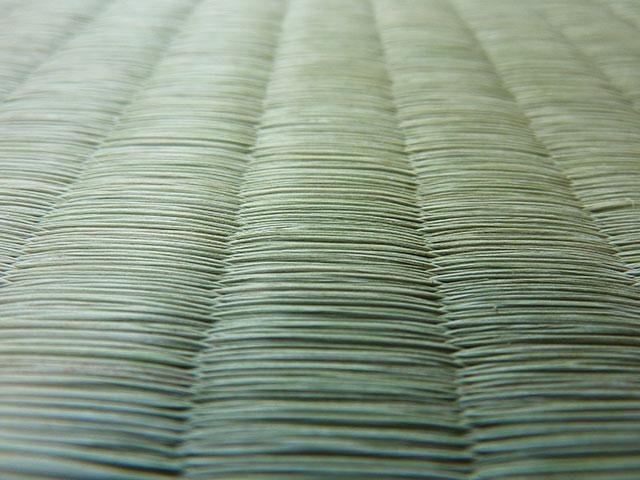

Japanese Igusa is widely regarded as the highest quality.
It stays resilient, lasts longer, and tends to age evenly without major color inconsistency.
Japanese-made Omote also comes in many grades—from standard to luxury—so there is a suitable option for most projects.
Good Uses case:
- Main living areas where you want the classic tatami look and feel
- Rooms you want to age beautifully over time (color and texture)
- Spaces where comfort and long-term durability matter
- Tea rooms or guest rooms where quality is especially important
Recommended Uses for Japanese-Made Tatami f(Guide)
- Premium Grade: Guest rooms, shrines, temples, luxury homes, and high-end accommodations
- Standard Grade: Everyday living spaces in private homes, guest rooms, and bedrooms
- Tea Ceremony Grade: Formal tea gatherings and regular tea practice
Option B: Imported Igusa (budget-friendly)
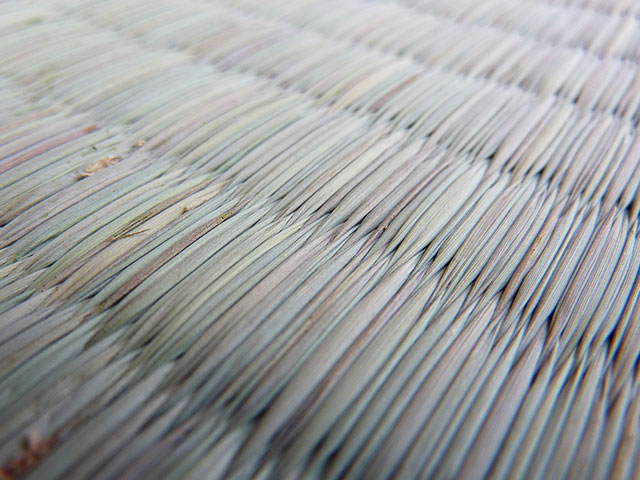
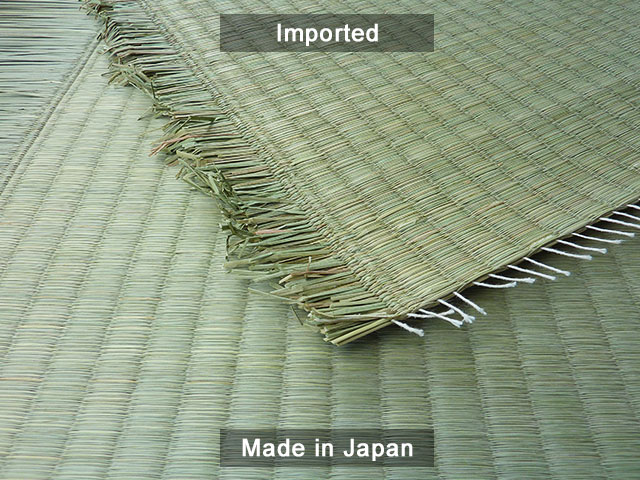
Imported Omote is popular for its lower price, especially in rental properties and high-use rooms. Quality has improved in recent years, but common differences compared with Japanese Igusa include: earlier harvest (less mature), faster/stronger drying (can reduce elasticity), and less consistent grading (sometimes requiring coloring). These factors can shorten lifespan and affect how it ages.
Good Uses case:
- Rentals where more frequent replacement is expected
- Children’s rooms and other high-traffic areas
- Projects where upfront cost is the top priority
- Temporary or short-term use spaces
Option C: Washi-omote / Kenzai-omote (easy maintenance, many colors)
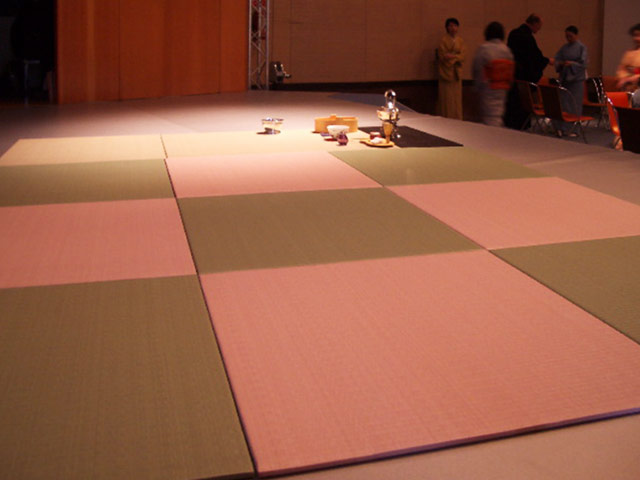
These alternatives can be easier to care for and offer many color choices. Washi-omote is woven like Igusa but tends to resist sunburn, dirt, and mold, with minimal scent. A trade-off is that it does not provide the same “Igusa character,” such as the natural fragrance and the air-related benefits often associated with Igusa.
Good Uses case:
- Low-maintenance rooms where easy cleaning matters
- Sunny spaces where you want less color change over time
- Homes where you prefer a low-odor option
- Modern interiors where you want color coordination
How to Choose Omote (Our Recommended Approach)
If you want the best long-term look, comfort, and durability, we generally recommend choosing Japanese-made Igusa (Rush) for the Surface (Omote).
From there, the key is to select the right grade by checking three points: weave density, tatami grain (“mountain” ridges), and warp yarns.
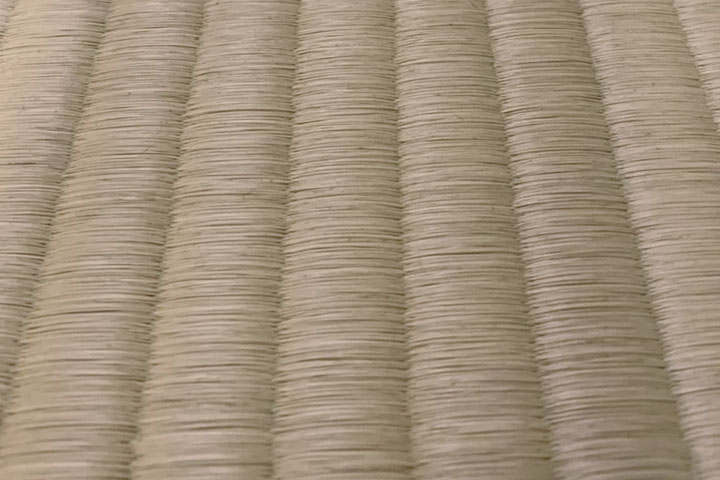
1) Weave density: more Igusa usually means higher quality
Weave density is closely related to the number of Igusa strands woven into the Omote. In general, more Igusa creates a tighter weave, which improves durability, reduces fuzzing, and keeps the tatami grain (“mountain” ridges) more even and beautiful over time.
- More Igusa / tighter weave: longer-lasting and cleaner-looking
- Finer weave: smoother underfoot and more even aging
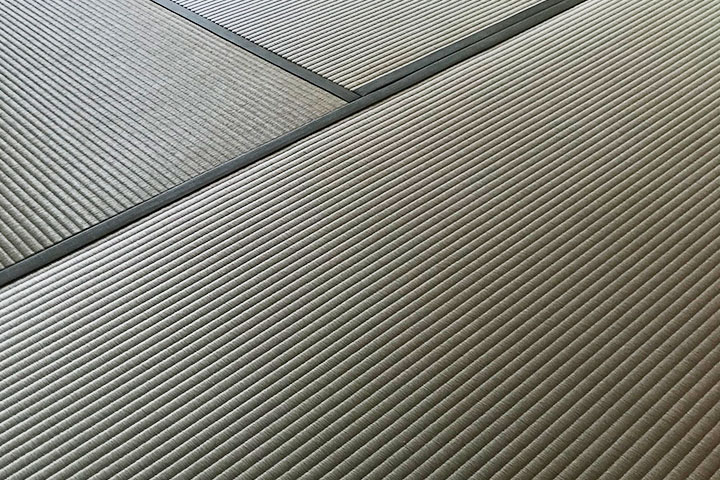
2) Tatami grain: look for clear, even ridges
Look for grain ridges that are straight and consistent. Even ridges usually feel smoother and wear more evenly.
Quick check: view the surface at an angle under light—ridges should look uniform.
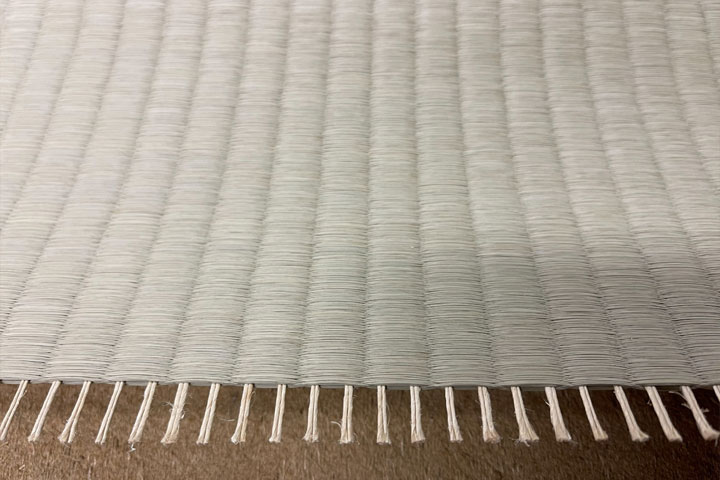
3) Warp yarns (threads): the hidden factor behind strength
Omote is woven with warp yarns (threads)—typically hemp or cotton. Stronger warp yarns allow tighter weaving, which improves thickness, strength, and long-term appearance.
- Hemp warp yarns are generally the strongest (often used in higher grades).
- Cotton warp yarns can be durable and cost-effective, depending on the grade.
Our practical recommendation
For most overseas homes, the “best value” choice is Japanese-made Igusa Omote in a mid-to-high grade: it delivers the classic tatami look, ages beautifully, and provides excellent durability without being overly delicate.
If you need a lower-cost solution for very high-traffic use (e.g., rentals or children’s rooms), imported Omote can be an option—but for the authentic feel, fragrance, and long-term beauty, Japanese Igusa Omote is our top recommendation.
2 Choose the Filling (Toko)
Option A: Wara-toko (natural straw core)
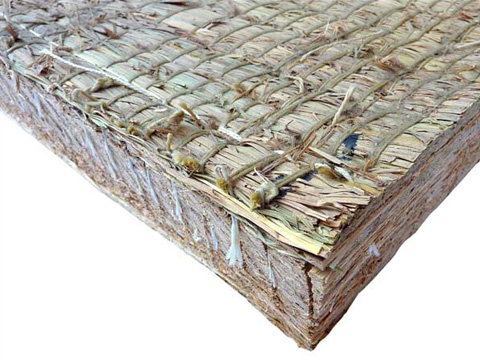
Wara-toko “breathes” by absorbing and releasing moisture, helping with humidity balance. It also has a distinctive cushioned feel underfoot thanks to air layers inside the straw structure, and it can be very durable and resilient.
Points to note: In modern airtight buildings, careful ventilation and maintenance may be needed to avoid mold or mites. It also costs more than building-material bases, though it can be economical over time if well maintained.
More about Wara-tokoOption B: Kenzai-toko (building-material core)
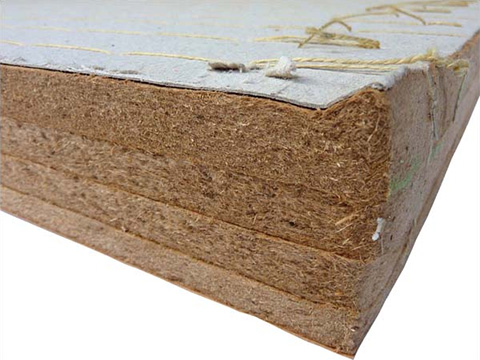
Kenzai-toko is widely used because it is affordable and lightweight, often with good insulation. It can also have fewer issues with mites because of its materials.
Points to note: It may feel firmer, and foam components can be less resilient/durable over time. Humidity absorption is low, so mold can still be an issue.
Option C: Wara-sandwich (hybrid)
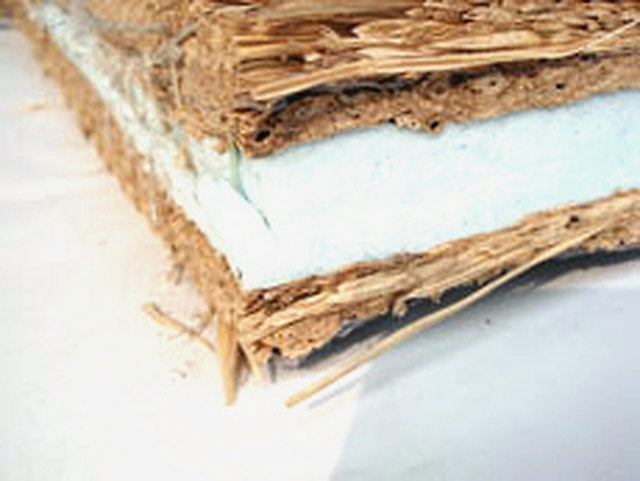
A hybrid Filling with foam sandwiched by straw. It aims to balance light weight and humidity resistance while keeping a feel closer to natural straw. Cost typically sits between Wara-toko and Kenzai-toko.
We can help you decide
You can freely combine the Surface (Omote), Filling (Toko), and Border (Heri) to suit your needs; we introduce common combinations in our price list, and we’re also happy to recommend the best option based on your preferences, installation environment, and budget—so please feel free to contact us.